Budget-Friendly Swimming Pool Repair for Year-Round Enjoyment
Inexpensive swimming pool repair is vital for sustaining a working and pleasant outdoor space. Routine upkeep and immediate attention can prevent minor issues from developing into major expenses. Pool owners often overlook common problems that can jeopardize water quality and safety. Learning the intricacies of self-service maintenance and discovering reliable local services can significantly reduce costs. However, many still wonder about the best practices to assure their pools remain welcoming year-round.
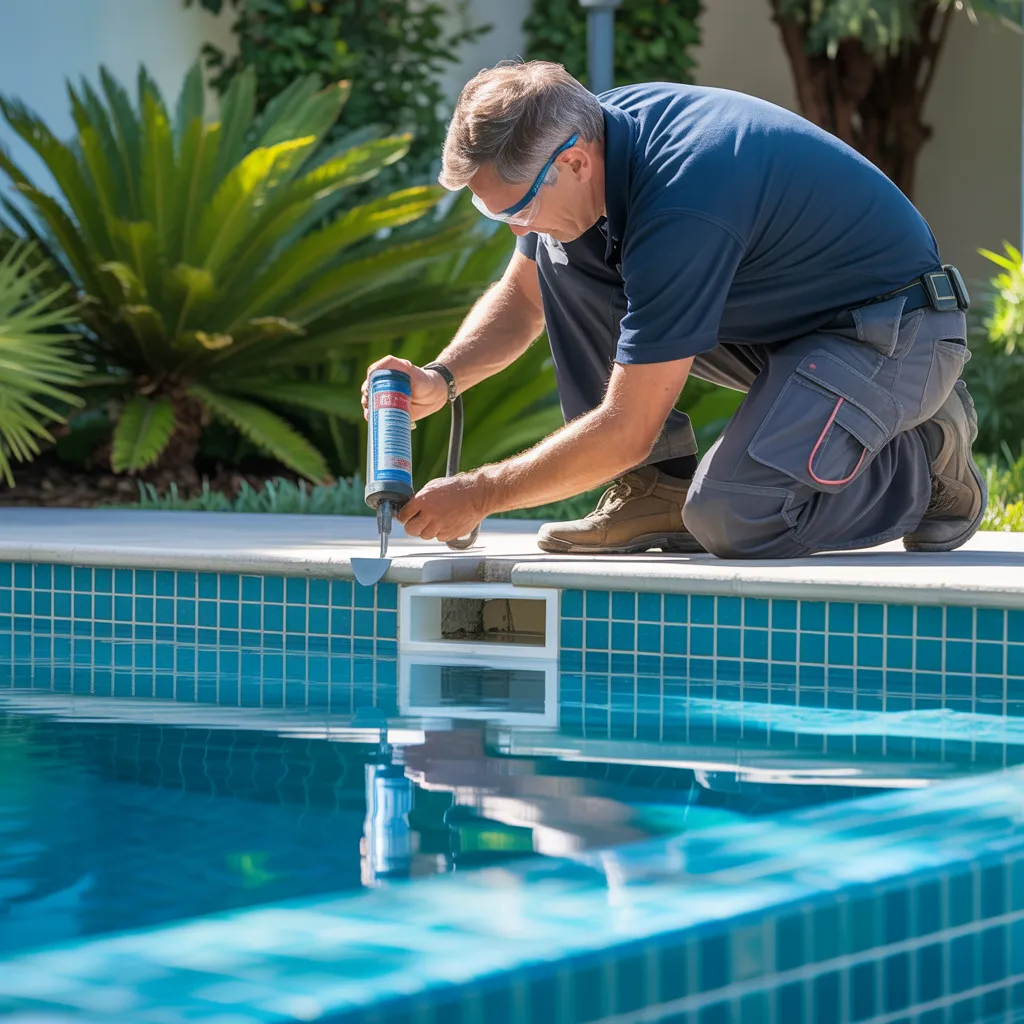
Common Swimming Pool Issues
Swimming pool owners often experience a variety of routine issues that necessitate consideration. One prevalent problem is water quality, often originating from inadequate filtration or imbalanced chemical readings. Algae growth can also pose challenges, thriving in warm temperatures and ineffectively preserved water. Additionally, ruptures are a routine concern, conceivably leading to considerable water shortage and boosted utility costs.
One problem is the deterioration of pool structures, such as splits in the plaster or tiles, which can compromise aesthetics and safety. Mechanical failures, including pump breakdowns or heater problems, often interrupt pool enjoyment and necessitate timely fixes. Finally, debris buildup from leaves, dirt, and insects can impact water quality and require frequent cleaning. Addressing these typical issues in a timely manner guarantees not only a safe swimming environment but also extends the life of the pool and its components, allowing for continued enjoyment throughout the swimming season.
Home Repair Guidelines
Taking on pool repairs can be a satisfying task for homeowners seeking to reduce costs and improve their maintenance skills. Typical problems, like leaking pool liners or tile cracks, can be successfully handled with do-it-yourself methods. For example, patching a vinyl liner can be completed using a basic repair kit, ensuring a watertight seal. Homeowners can also address small cracks in concrete or plaster pools with epoxy-based fillers, providing a long-lasting solution.
Cleaning and upkeep of pool filters is another crucial DIY task, which can boost water circulation and clarity. Additionally, replacing broken or broken pool equipment, like pump parts or skimmers, often requires only basic tools and guidance from online resources. By acquiring these skills, homeowners not only save on repair costs but also gain a deeper understanding of their pool's mechanics, contributing to a more enjoyable swimming experience year-round.
Affordable Periodic Pool Service Tips
Affordable seasonal pool upkeep is crucial for extending a pool's life and maintaining water quality. Regular water testing, efficient filter maintenance, and using seasonal covers can greatly reduce repair costs over time. Adopting these practices helps maintain a clean and safe swimming environment while staying within your financial limits.
Regular water analysis
Correct water chemistry is crucial for sustaining a well-kept pool in working order. Systematic water testing permits pool owners to supervise pH levels, alkalinity, and chlorine concentration, assuring that the water persists wholesome and delightful. By assessing the pool at least once a week, owners can pinpoint imbalances without delay, blocking substantial repairs and water quality issues. Test kits are conveniently available and render quick results, permitting it uncomplicated to adjust chemical balances as needed. Additionally, assessing water hardness prevents deterioration and buildup, augmenting the lifespan of pool equipment. Putting in place a reliable water testing protocol not only elevates the swimming experience but also advances a safe environment for family and friends, making it a significant aspect of pool maintenance.
Streamlined Filter Cleaning
Sustaining a clean filter is essential for superior pool efficiency and endurance. Regular upkeep prevents particle buildup, which may lead to reduced water flow and elevated energy bills. Pool owners ought to schedule servicing the filter every 4 to 6 weeks, contingent on usage and environmental circumstances. A quick rinse with a hose can readily dislodge surface dirt, while a deeper clean could entail placing in a specialized solution for a few hours. Furthermore, checking and replacing filter cartridges as needed will guarantee optimal filtration. Sustaining the filter clean both increases water clarity and increases the operational lifespan of the pool infrastructure, ultimately resulting in lower maintenance costs and a more enjoyable swimming experience year-round.
Seasonal Cover Employment
Using a premium pool cover can greatly enhance pool maintenance while reducing costs. These covers act as a shield against debris, reducing the need for regular upkeep and chemical treatments. By preventing leaves, dirt, and insects from entering the pool, owners can save on filter upkeep and water usage. Additionally, a well-fitted cover helps retain heat, lowering heating expenses during colder months. Seasonal covers also protect the pool structure from severe weather conditions, possibly increasing its lifespan. To maximize benefits, it is important to select a long-lasting, UV-resistant material that fits the pool tightly. Regularly inspecting and maintaining the cover guarantees its effectiveness, allowing affordable and efficient year-round pool use while reducing repair costs over time.
Cost-effective Pool Repair Services
When homeowners detect damage or imperfections in their swimming pools, they often explore reasonable pool repair services to repair their oasis without overspending. These services cater to a range of issues, from minor repairs to more significant structural damage. Many companies supply competitive pricing, ensuring that pool preservation remains accessible throughout the year.
Homeowners should locate local vendors with positive ratings and transparent pricing. Some companies may provide free estimates, allowing property owners to establish budgets before proceeding with work. In addition, limited-time offers can cut down costs, facilitating the ability to address critical repairs.
Essential Tools for DIY Pool Repairs
To complete DIY pool repairs successfully, the right tools are crucial for both efficiency and safety. Wrenches and sealants, which are basic repair tools, serve as the foundation of any repair kit, while safety equipment ensures protection during the process. Understanding these essential items can equip homeowners to tackle repairs with confidence.
Essential Fix Tools Required
A well-stocked tool collection remains essential for people undertaking pool repair themselves. Essential tools include a rubber mallet that help adjust pool fittings while protecting fixtures, plus wrench sets to adjust different pool parts. Screwdriver sets prove vital since they allow fixing pool panels and equipment. To seal pool leaks, caulk guns and sealant that resists water become necessary. Pool brushes aid in surface cleaning before repair work, while submersible pumps eliminate extra water. Similarly handy, utility knives slice through liner materials. Having these fundamental tools readily available, swimming pool owners handle common issues efficiently and upkeep pools year-round.
Safety Equipment Essentials
Safety equipment is crucial for anyone performing DIY pool repairs, ensuring both protection and compliance with safety standards. Proper gear includes safety eyewear to protect the eyes from debris and chemicals, gloves to protect hands from sharp objects and harmful substances, and strong footwear to avoid slips and injuries. A hard hat is advisable when working in areas with overhead hazards. Additionally, a first-aid kit should be easily accessible in case of minor injuries. For those working with electrical components, insulated tools and a voltage tester are vital to prevent electric shock. By arming themselves with these basics, DIY enthusiasts can enhance their safety while efficiently tackling pool repair tasks. Prioritizing safety in the end leads to a more enjoyable repair experience.
Consistent maintenance acts as the foundation for preventing major pool restoration. By following a consistent maintenance plan, pool owners can address and identify potential issues before they escalate. Vital tasks such as skimming debris, cleaning filters, and balancing water chemistry are important. Neglecting these simple actions may lead to more severe problems, including algae growth or system breakdown.
In addition, checking pool equipment—such as pumps, heaters, and liners—frequently can detect wear and tear early. Repairing minor leaks or cracks without delay can prevent costly repairs down the line. Ensuring proper water levels and circulation helps keep the structural integrity of the pool.
Furthermore, devoting effort in seasonal upkeep, such as winterizing, can protect the pool from environmental damage. Ultimately, diligent maintenance not only improves the pool's lifespan but also protects the owner's investment, ensuring continuous pleasure for years to come.
Frequently Posed Questions
What Is the Best Way to Identify a Dependable Pool Service Company Close By?
To find a reliable pool repair service near you, one can examine online reviews, ask for recommendations from acquaintances, and check local business directories. Comparing quotes and validating credentials also assures quality and trustworthiness in service.
What Are the Symptoms My Pool Demands Right Away Fixing?
Signs that a swimming pool requires prompt care encompass visible cracks, seepage, water discoloration, unusual noises from equipment, and persistent algae growth. Addressing these concerns in a timely manner can stop additional damage and assure healthy swimming environments.
Do pool repair services include warranties?
Yes, many swimming pool repair companies deliver warranties including parts and labor. These protection plans can vary in duration and terms, so it's critical for homeowners to ask for details specifics before proceeding with any repair service.
How Rate Should I Inspect My Pool for Problems?
Pool checks should be conducted at least once a month on a read the full story consistent basis. However, seasonal variations or intense usage may necessitate more frequent assessments to identify potential problems early and maintain ideal upkeep and well-being.
What Is the Average Cost of a Pool Maintenance?
Pool maintenance costs typically range from $150 to $1,500 on average basis, fluctuating based on the severity and type of the problem. The overall costs can be considerably impacted by considerations like region and professional qualifications.